Grace Calls Us to Be — Not to Do
Part 2: From Striving to Trusting
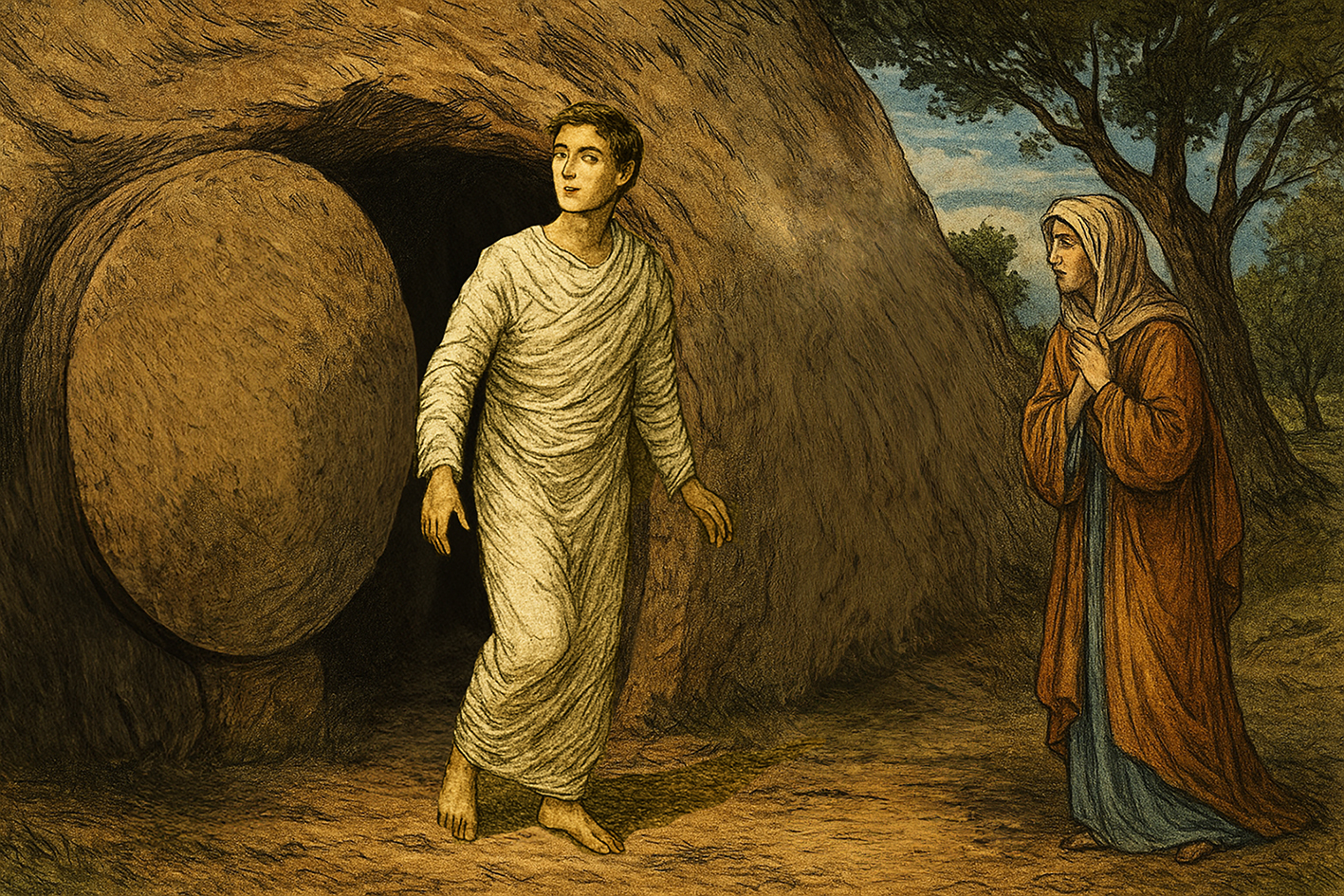
Sometime later, the scene shifts. Martha is no longer hosting a meal, she is mourning a loss. Her brother Lazarus has died, and hope seems buried with him.
When Jesus finally arrives in Bethany, the village where Martha, her sister Mary and brother Lazarus lived before his untimely death, Martha runs to meet Him. Her first words are raw and honest:
“Lord, if you had been here, my brother would not have died.”
But then she adds something extraordinary: “But I know that even now God will give you whatever you ask.”
This doesn’t sound like the same person who was frustrated and anxious at the meal she hosted in part 1. Her tone is different. She’s no longer trying to control the situation but learning to trust.
Acknowledgement
Grace meets us in our humanity: Martha doesn’t hide her pain. She doesn’t pretend everything is fine. She brings her grief and faith together in the same breath.
Acknowledgement is when we admit, “Lord, I don’t understand, but I still believe.” Grace does its most powerful work when we bring our honest hearts before God, whether in joy or in pain.
Jesus then makes a request that pushes Martha beyond logic:
“Take away the stone.”
Martha hesitates:
“But Lord, by this time there is a bad odour, for he has been there four days.”
Her words reveal the mind reasoning with human limits. Yet even in hesitation, she allows the stone to be rolled away. And what she witnesses next is nothing short of miraculous — Lazarus walks out of the grave, bringing to life the words of Jesus addressing Martha’s doubts:
“Did I not tell you that if you believe, you will see the glory of God?”
Action
Trusting grace beyond reason: Martha’s willingness to act, even with doubts, opened the door to resurrection power. When you silence your reasoning mind and take action, not out of striving, but of trust, you open the door to the miraculous.
When grace matures in us, we no longer serve out of anxiety; we act out of faith, even when we don’t have all the answers.
Life brought loss, fear, and uncertainty — yet because Martha had learned to sit at Jesus’ feet (rest her mind), she could now acknowledge her grief honestly and act in trust. The stone that blocked hope was rolled away, and resurrection followed.
Martha’s journey shows us that grace is not a single moment, but a living path. In her story, we see our own journey: from striving to stillness, from sorrow to trust, from limitation to resurrection.
In the first story, Grace says, “Be still. Presence matters more than performance.”
In the second story, it says, “If you believe, you will see the glory of God”. Grace is the person of Jesus, the manifestation of God himself.
In Martha’s case, awareness opened her heart, through acknowledging the presence and power right where she was, she was able to trust, and by acting out of trust, she witnessed the wonder of her dead brother coming back to life.
Grace works this way in all our lives, it calls us to be still, then to be honest, and finally to be courageous, even when the outcome seems impossible.
When we let this flow of grace guide us, the ordinary becomes alive with meaning. Our busy lives are filled with purpose, our hearts are filled with peace, and what seemed lost rise again.
Reflection
- Where has pain, loss, or delay tested your faith?
- What “stones” might grace be asking you to roll away, even when it doesn’t make sense?
- Are you willing to trust the Divine Presence to resurrect your dead dreams, health or seemingly impossible situations?
Trust often ushers in resurrection/restoration.


.png)
